
The Freeman: October 2010 Volume 60, 2010
Discusses causes of high gas prices, economic freedom in Japan, and civil liberty concerns in expanding government surveillance.

Discusses causes of high gas prices, economic freedom in Japan, and civil liberty concerns in expanding government surveillance.
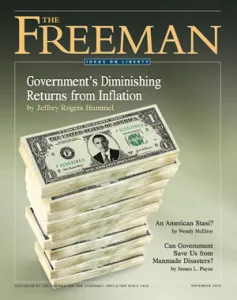
Analyzes the housing bust and bailout logic, the Austrian business cycle, and the unintended effects of China’s one-child policy.

Covers homeschooling restrictions in California, critiques of the housing crisis, and the tension between politics and principle in regulation.
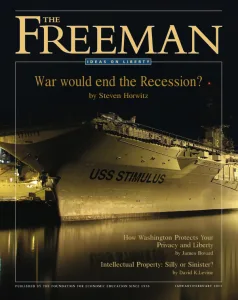
Intellectual property rights, the regulatory burden on medical innovations, and the historical lessons of Prohibition are explored. The issue provides a critical analysis of how government restrictions hinder economic growth and personal choice.
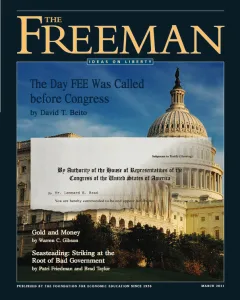
The effectiveness of government security agencies, congressional discussions on economic liberty, and critiques of central banking are featured. The issue also highlights alternative market-driven solutions to public sector inefficiencies.
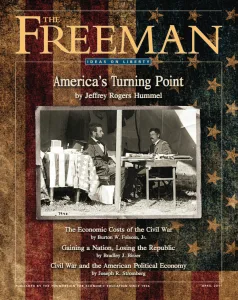
Privatization of infrastructure, concerns over increasing surveillance, and the relationship between geography and political power are key themes. The issue examines how control over information and physical spaces affects economic freedom.
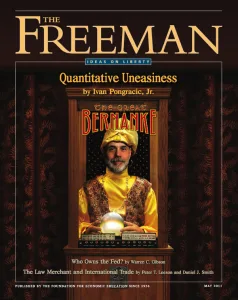
The impact of government-imposed values, economic solutions to traffic congestion, and the natural emergence of competition in markets are explored. The issue also contrasts monopolistic practices between the private and public sectors.
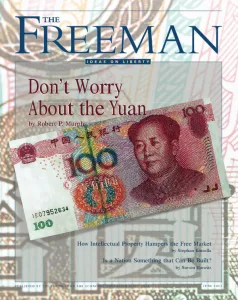
Misconceptions about political power and liberty, the unintended consequences of U.S. foreign policy on global markets, and privacy rights for firearm owners are among the key topics covered. The issue also discusses how regulatory expansion erodes individual freedoms.
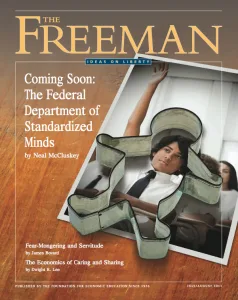
This edition discusses the burden of taxation on individuals, the mechanics of economic exchange, and lessons from Japan’s commercial sector. The focus is on how regulatory barriers slow economic progress and innovation.
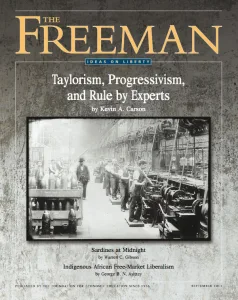
The contributions of African free-market traditions and the relevance of Austrian economics in modern policy debates are examined. The issue also critiques scientific management practices that have led to rigid bureaucratic inefficiencies.

Anarcho-capitalist thought, free-market alternatives to government intervention, and the limits of state authority are explored in this issue. It also discusses the ethical defense of controversial yet voluntary market activities.
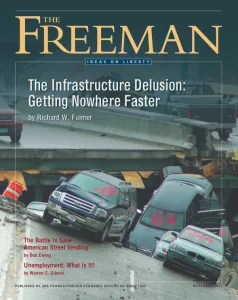
The issue highlights the power of voluntary cooperation in markets, the broken window fallacy in economics, and the role of intellectuals in advancing or undermining economic liberty. Case studies illustrate how spontaneous order creates more effective solutions than top-down planning.